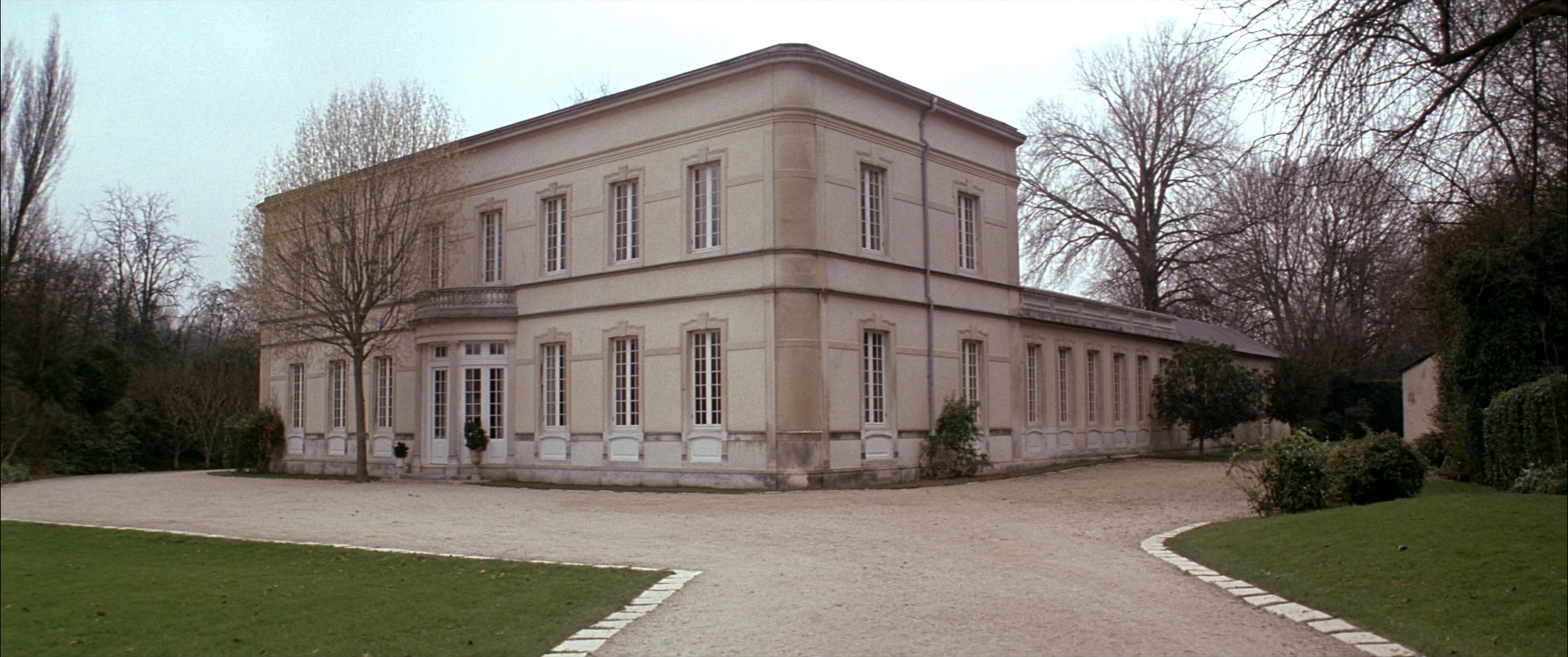
Moïse de Camondo built this house between 1911 and 1914 to hold eighteenth-century France, and modelled it on the Petit Trianon because he wanted the setting to agree with the furniture. That is a collector's logic taken to its conclusion: not a house with a collection in it, but a house built as the collection's argument. Everything you walk through was chosen to make something else look correct.
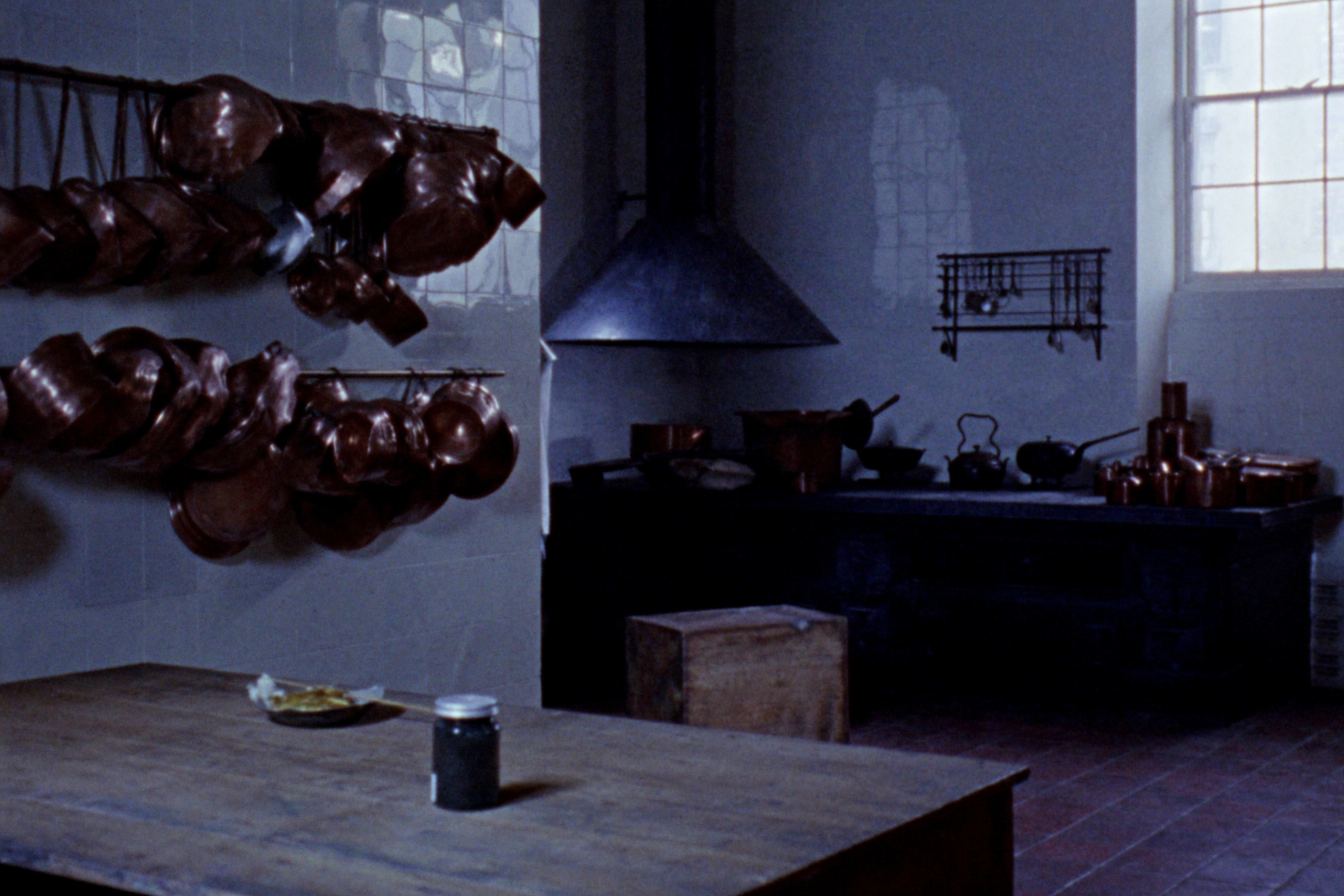
What makes it unlike every other hôtel particulier in the arrondissement is the service floor. Camondo was a modernist about plumbing and a reactionary about taste, and both are preserved. The kitchen is a working 1914 kitchen — copper ranked by size, a range the width of a car — and it is on the visitor route, which almost no house of this rank permits. You learn more in ten minutes there than in an hour among the Sèvres.
Go at opening on a weekday in late autumn, when the park behind is bare and the light comes in flat and grey, which is the light the rooms were arranged for. Take the audio guide — I generally don't — because the house is narrated by the family's own letters, and the labels alone will not tell you what you are standing in.
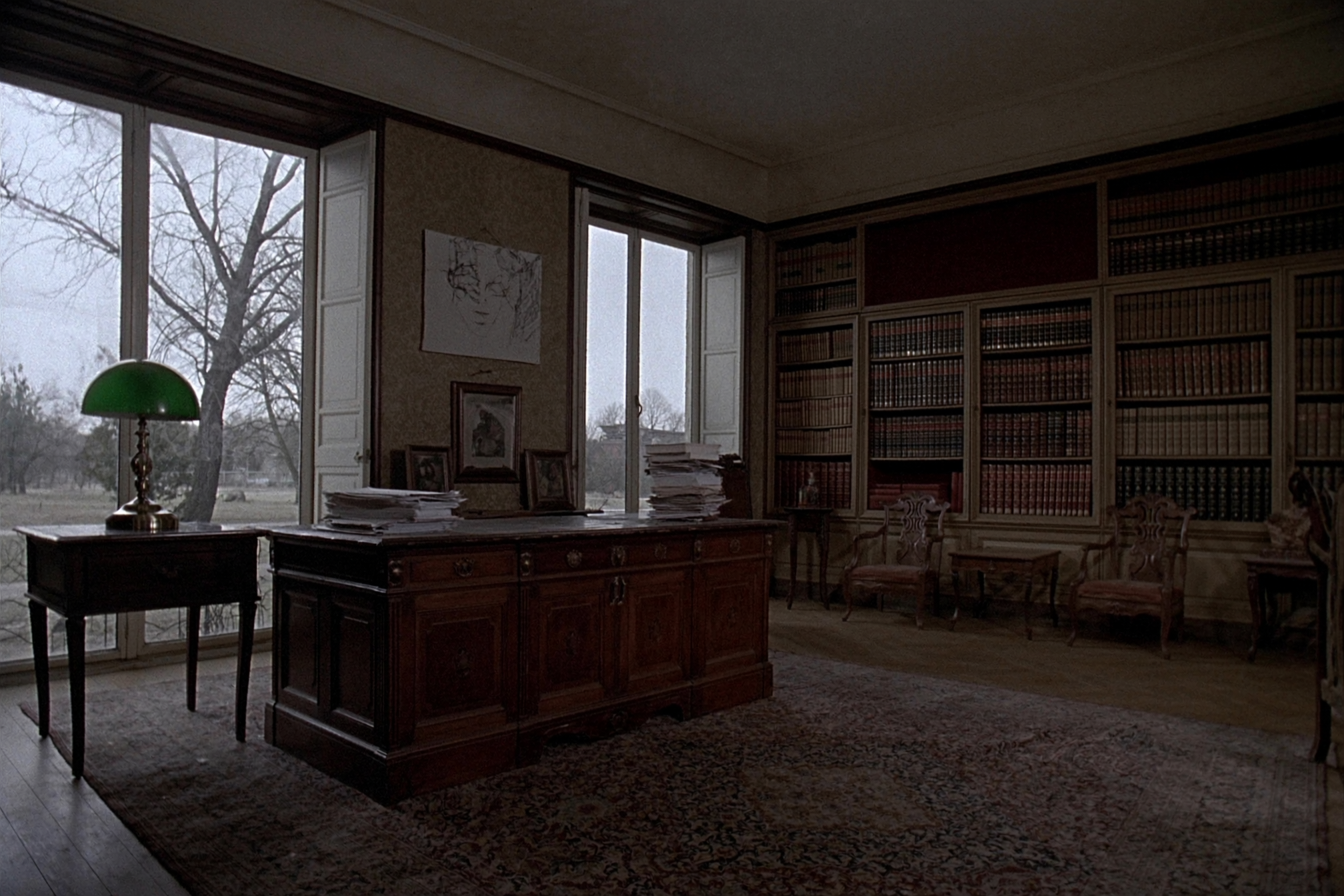
The house is named for a son who did not come home.
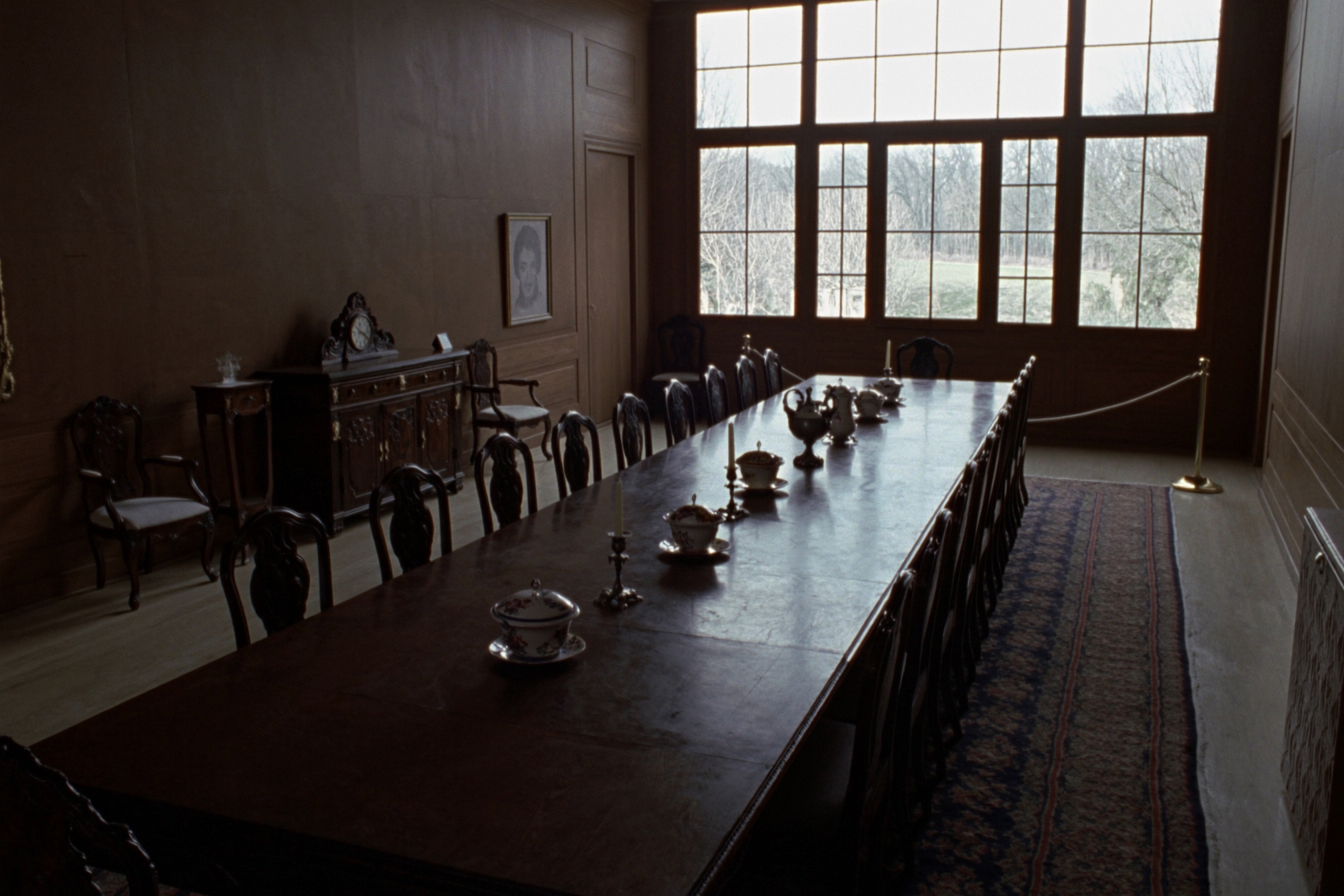
Nissim de Camondo was killed flying in 1917. His father finished the house anyway, left it to the state in his son's name, and stipulated that nothing be moved. That instruction is why the rooms feel occupied rather than displayed — the arrangement is not a curator's reconstruction, it is one man's refusal to let a room change.
Moïse died in 1935. His daughter Béatrice and her children were murdered at Auschwitz. The family ended; the house did not. Reading the last panel is not optional, and the museum is right to place it where you cannot leave without passing it.
I have been three times and have never managed to go straight from that room out to the street. There is a bench in the courtyard. Use it.